
Pain management clinics use multidisciplinary approach to alleviate pain and help patients improve their functionality.
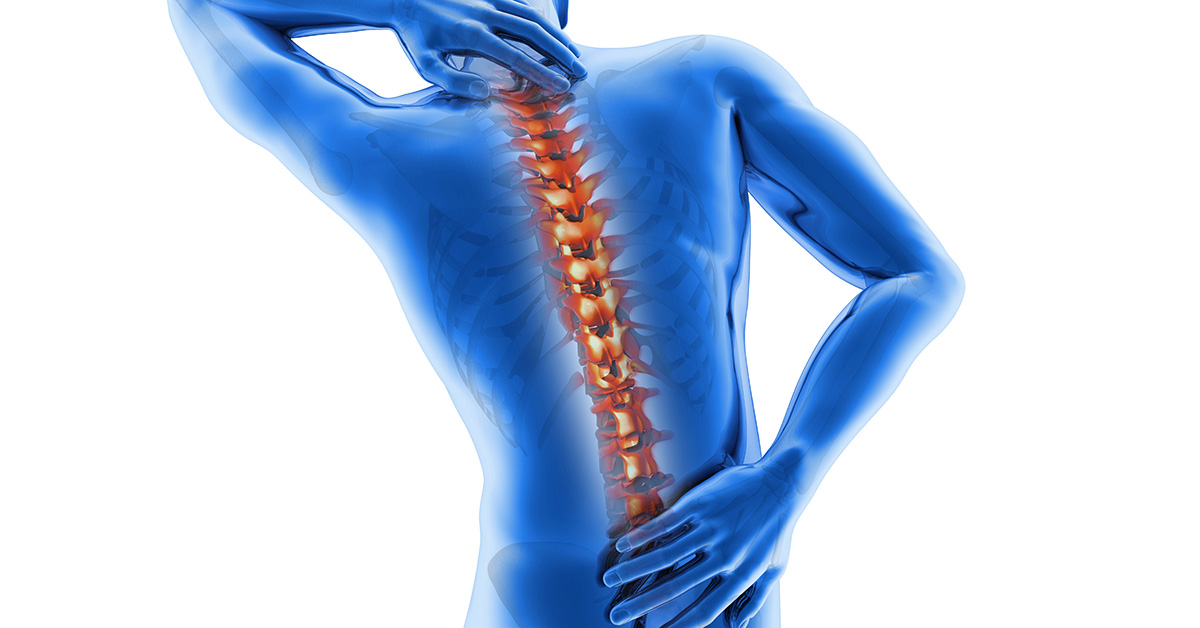
Pain Management
Pain management is a specialized field of medicine dedicated to reducing chronic and acute pain while improving patients' quality of life and daily functioning. For individuals suffering from spine-related pain—such as low back pain, neck pain, sciatica, or pain from degenerative conditions—it often involves a comprehensive, multidisciplinary strategy rather than relying on a single treatment. Pain management clinics bring together various specialists to create personalized plans that address the physical, emotional, and psychological aspects of pain.
The Multidisciplinary Approach
Effective pain management for spine conditions recognizes that pain is complex and rarely solved by medication alone. A typical team may include pain physicians, physical therapists, chiropractors, psychologists, pharmacists, and sometimes surgeons or neurologists. This collaborative model aims not only to alleviate pain but also to restore mobility, strength, and independence.
Key components often include:
- Diagnostic Evaluation: Thorough assessments using imaging, nerve studies, and diagnostic injections to pinpoint the source of spine pain, whether from herniated discs, spinal stenosis, facet joints, or nerve compression.
- Interventional Procedures: Minimally invasive options like epidural steroid injections, facet joint injections, nerve blocks, or radiofrequency ablation to provide targeted relief and reduce inflammation around spinal nerves.
- Medication Management: Judicious use of anti-inflammatories, muscle relaxants, neuropathic medications, or, in select cases, other analgesics. The goal is to minimize long-term opioid use due to dependency risks.
- Physical Therapy and Rehabilitation: Customized exercise programs to improve core strength, posture, flexibility, and spinal stability. Techniques such as manual therapy, aquatic therapy, or McKenzie exercises are commonly used for back and neck pain.
- Psychological Support: Cognitive behavioral therapy (CBT), mindfulness, biofeedback, or counseling to address pain-related anxiety, depression, and coping strategies. Chronic spine pain often affects mental health, creating a cycle that multidisciplinary care seeks to break.
- Lifestyle and Complementary Therapies: Weight management, ergonomic education, acupuncture, massage, yoga, or TENS units to support long-term pain control.
Benefits for Spine Pain Patients
Patients with conditions like sciatica, degenerative disc disease, or post-surgical pain frequently experience significant improvements through pain management programs. Benefits include reduced pain intensity, better sleep, increased activity levels, and decreased reliance on emergency care. Many programs emphasize functional restoration—helping patients return to work, hobbies, and family activities.
Early intervention in a pain clinic can prevent acute spine pain from becoming chronic. Studies show multidisciplinary approaches often yield better outcomes than single-modality treatments, with higher patient satisfaction and improved functionality.
What to Expect at a Pain Management Clinic
Initial visits typically involve a detailed history, physical exam, and review of prior treatments. A tailored plan is developed with clear goals, such as reducing pain by 50% or improving walking distance. Progress is monitored regularly, with adjustments made as needed. Most procedures are outpatient with quick recovery times.
Risks and Considerations
While generally safe, interventional procedures carry small risks such as infection, bleeding, or temporary pain flares. Medication management requires careful monitoring. Success depends on patient commitment to the full plan, including home exercises and lifestyle changes. Not all spine pain requires a pain clinic—mild cases may resolve with primary care or conservative measures.
Conclusion
Pain management for spine conditions offers hope through integrated, patient-centered care. By combining medical interventions, rehabilitation, and psychological support, multidisciplinary clinics help individuals regain control over their lives despite chronic pain. If spine pain is interfering with your daily activities, consulting a pain management specialist could be a key step toward lasting relief and improved well-being.
This article is for informational purposes only and does not replace professional medical advice. Consult a qualified healthcare provider for personalized recommendations.